

Deciding how to support an aging parent or loved one is one of the most emotionally charged moments a family in Southampton can face. Usually, the conversation starts with a single, heavy word: safety. We worry about falls, missed medication, or what might happen if they are alone in the middle of the night. Because of this worry, the default solution for decades has been the residential care home.
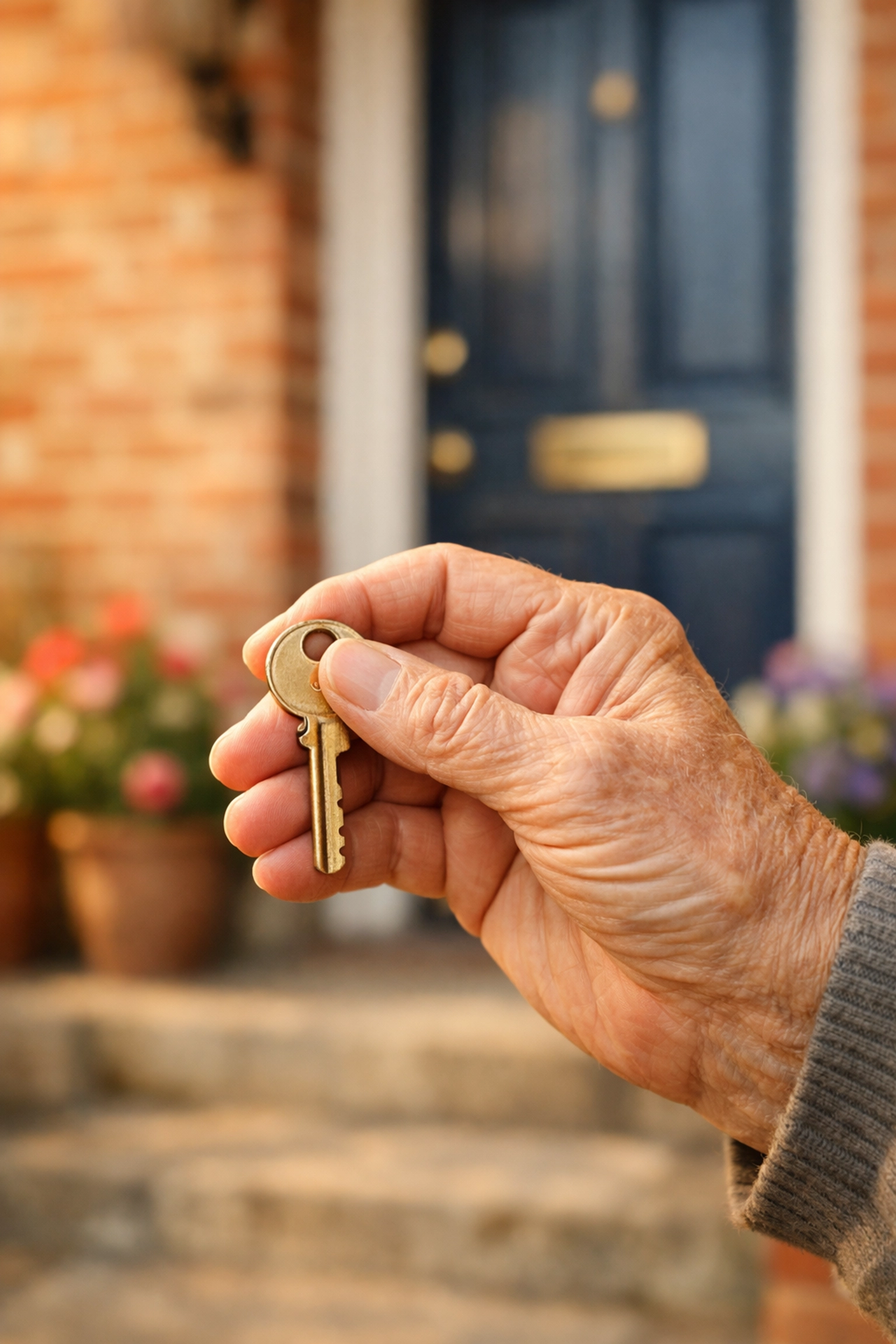
The narrative is always the same. We tell ourselves that they will be "safer" there. We imagine 24-hour surveillance and professional corridors will somehow eliminate risk. But we rarely talk about the hidden cost of that safety. In many cases, moving into a care home means handing over your front door key, your schedule, and your autonomy. It is a trade-off that many older people are terrified to make, and for good reason.
Safety is important, but it should not be a cage. There is a growing realization across Hampshire that home care services southampton can provide the same level of security without forcing someone to abandon the life they’ve built.
The Psychological Impact of Losing Your Own Front Door
There is a profound psychological shift that happens when a person no longer has a key to their own home. A front door key is more than just a piece of metal; it represents the ultimate boundary of adulthood. It is the power to decide who enters your space and when you choose to leave it.
When an older person moves into a residential facility, that boundary often vanishes. While modern care homes strive to be welcoming, they are still institutions. They have set meal times, set visiting hours, and communal living spaces that can feel anonymous. For someone who has lived in the same house in Shirley or Bitterne for forty years, this sudden loss of "territory" can lead to rapid cognitive decline and depression.
Independence is a primary driver of mental health. Research consistently shows that older people who remain in their own homes, surrounded by their own possessions and memories, maintain their cognitive functions for longer. They have a sense of purpose that comes from the small rituals of home life, making a cup of tea in their favorite mug, tending to a small garden, or simply watching the world go by from their own front window.
Challenging the "Institutional Safety" Narrative
We often assume that care homes are inherently safer because staff are "always there." However, safety is a multi-dimensional concept. While a care home might reduce the risk of an unobserved fall, it can increase risks in other areas, such as hospital-acquired infections or the emotional trauma of relocation stress syndrome.
Regulatory standards across the healthcare sector are beginning to reflect a shift toward autonomy. Even in nursing environments, blanket policies that restrict a resident's movement or access to their own space are increasingly scrutinized. The goal of modern care should be to support a person's clinical needs without imposing unnecessary security measures that strip away their dignity.
In Southampton, many families are finding that domiciliary care southampton offers a superior balance. By bringing professional support into the home, you mitigate the physical risks, like falls or medication errors, while keeping the person’s mental and emotional environment intact.
The Reality of Home Care Services in Southampton
Many people dismiss home care because they believe it’s only for those who need "a little bit of help." This is a misconception. Modern home care is highly sophisticated and can be tailored to almost any level of need, including complex clinical requirements and end-of-life care.
When you choose home care, the "safety" measures are built around the individual, not the building. This might include:
- Home environment assessments to remove trip hazards.
- The installation of smart technology and personal alarms.
- One-to-one attention that a busy care home staff simply cannot provide.
- Scheduled visits that ensure nutrition, hydration, and medication are managed perfectly.
In a care home, one staff member might be responsible for ten or fifteen residents at once. In a home care setting, your loved one has the undivided attention of their carer. From a safety perspective, that one-to-one ratio is the real gold standard.
Maintaining Social Connection Without the Institution
Loneliness is often cited as a reason to move an older person into a care home. The idea is that they will be "around people." However, being around people is not the same as having meaningful social connections. Many care home residents report feeling incredibly lonely despite being surrounded by others, simply because they have lost touch with their local community.
Southampton is a vibrant city with deep-rooted communities. Moving an elderly person out of their neighborhood can sever ties with neighbors, local shopkeepers, and friends at the local bowls club or church.

Elderly companion services bridge this gap. Instead of moving the person to the social life, we bring the social life to them, or help them get out into it. A companion carer doesn’t just do the laundry; they might take your mum for a walk through Southampton Common or accompany your dad to a local cafe. This keeps them integrated into the world they know, which is vital for maintaining a sense of identity.
Personal-Centred Care vs. The "System"
The biggest flaw in the residential model is that it is a system designed for efficiency. To run a facility with dozens of residents, you need routines. Everyone eats at 8 AM, everyone has a bath on Tuesday, and everyone watches the same TV in the lounge.
At BestCare24, we believe that care should fit the person, not the other way around. If you want to stay up until midnight watching old films and sleep in until 10 AM, you should be able to. If you want to eat a bacon sandwich for dinner every night, that is your choice. This is what we mean by person-centred care. It is about respecting the "person" inside the "patient."
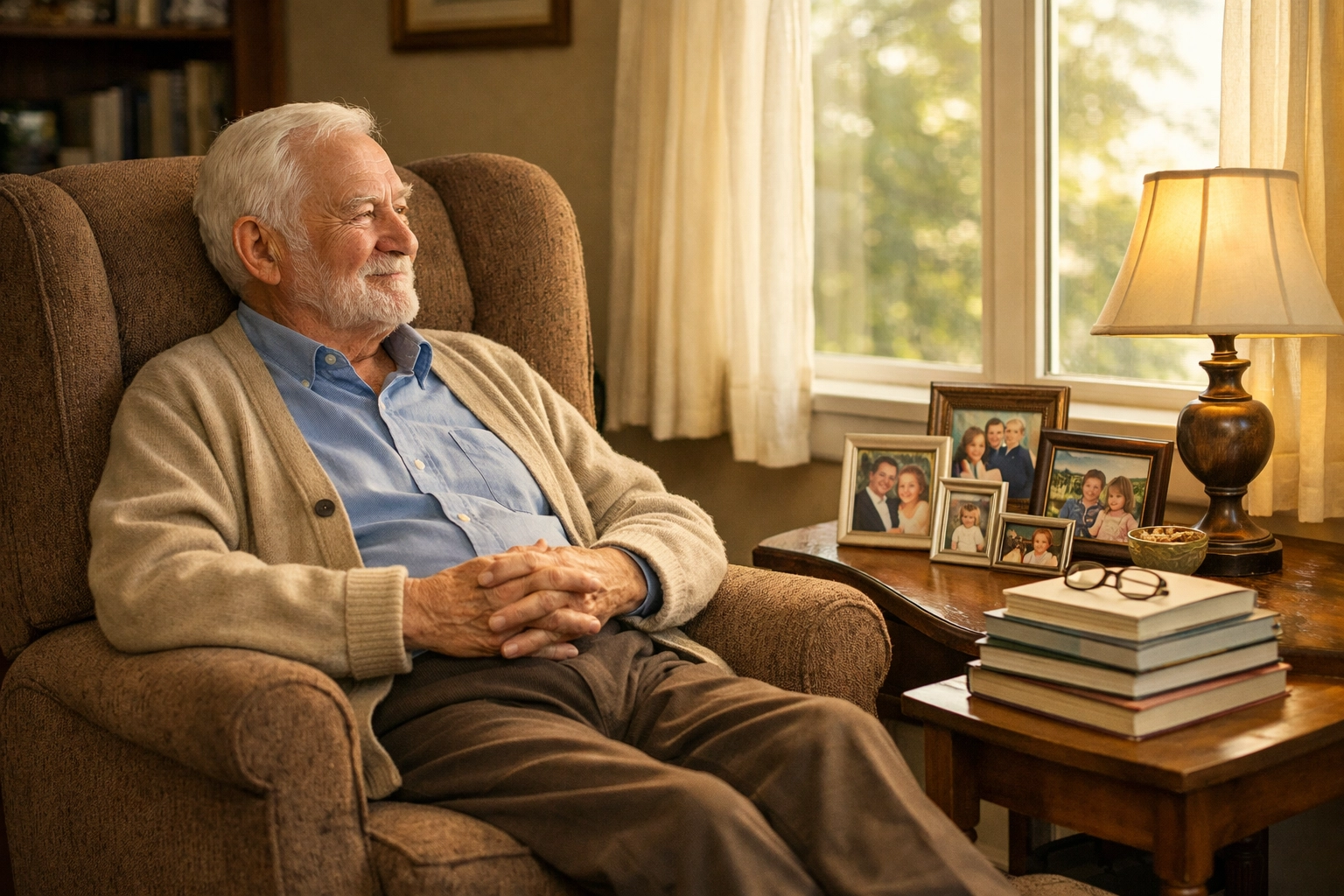
When care is delivered in the home, the power balance remains with the individual. They are the employer, the host, and the master of their domain. The carer is a guest who is there to support them. This subtle shift in power is essential for the self-esteem of older people.
The Cost Factor: More Value, Less Waste
There is also a significant financial argument to be made. Residential care in Hampshire is notoriously expensive, often costing upwards of £1,000 to £1,500 per week. A large portion of that money goes toward the "hotel costs", the building maintenance, the administrative overheads, and the profit margins of large corporate chains.
With home care, every pound you spend goes directly toward the person’s care. You aren't paying for a room you don't own; you are paying for professional expertise and companionship. For many families, this makes much more financial sense, allowing them to preserve assets while ensuring their loved ones get the highest quality of life possible. You can explore more about these options on our information and support page.
Why Southampton Families are Choosing the "Home First" Approach
We are seeing a massive shift in how people in Southampton view the aging process. The "waiting room" vibe of traditional care homes is being rejected in favor of active, home-based living. Whether it is respite care to give family members a break or long-term dementia care, the goal is the same: stay home, stay safe, and stay yourself.
It takes courage to challenge the idea that a care home is the only safe option. It requires a bit of planning and the right support partner. But the reward, seeing your loved one thrive in the place they love most, is worth every bit of effort.
Making the Decision
If you are feeling the pressure to move a loved one into a care home because you’re worried about their safety, take a breath. Ask yourself: is it the building that will make them safe, or is it the support?
Most of the time, the support can be provided exactly where they are. You don't have to give up the front door key. You don't have to say goodbye to the family home. With the right domiciliary care southampton, you can ensure they are protected, cherished, and: most importantly: free.
If you want to talk about how we can help your family navigate these choices, feel free to contact us or learn more about us and our journey in providing compassionate care across the city. We believe in a world where "getting older" doesn't mean "giving up." Let's keep that front door unlocked.