

There is a persistent and frankly frustrating myth circulating through the streets of Southampton. You might have heard it in coffee shops or over garden fences. People describe home care as "just sitting with someone" or "popping in for tea and biscuits." This narrative is not only wrong, it is dangerous…
When we talk about the healthcare assistant role and responsibilities, we are talking about the backbone of our community health system. These professionals are the front line, keeping elderly residents safe and out of overstretched A&E departments in Hampshire. It is time to strip away the "tea and biscuits" stereotype and look at the high-stakes clinical and emotional reality of what happens behind closed doors.
The Clinical Weight of the Role
A Health Care Assistant (HCA) is not a visitor; they are a trained observer. Their day does not revolve around a kettle, but around a rigorous set of clinical expectations. In many cases, they are performing tasks that were once reserved strictly for registered nurses…
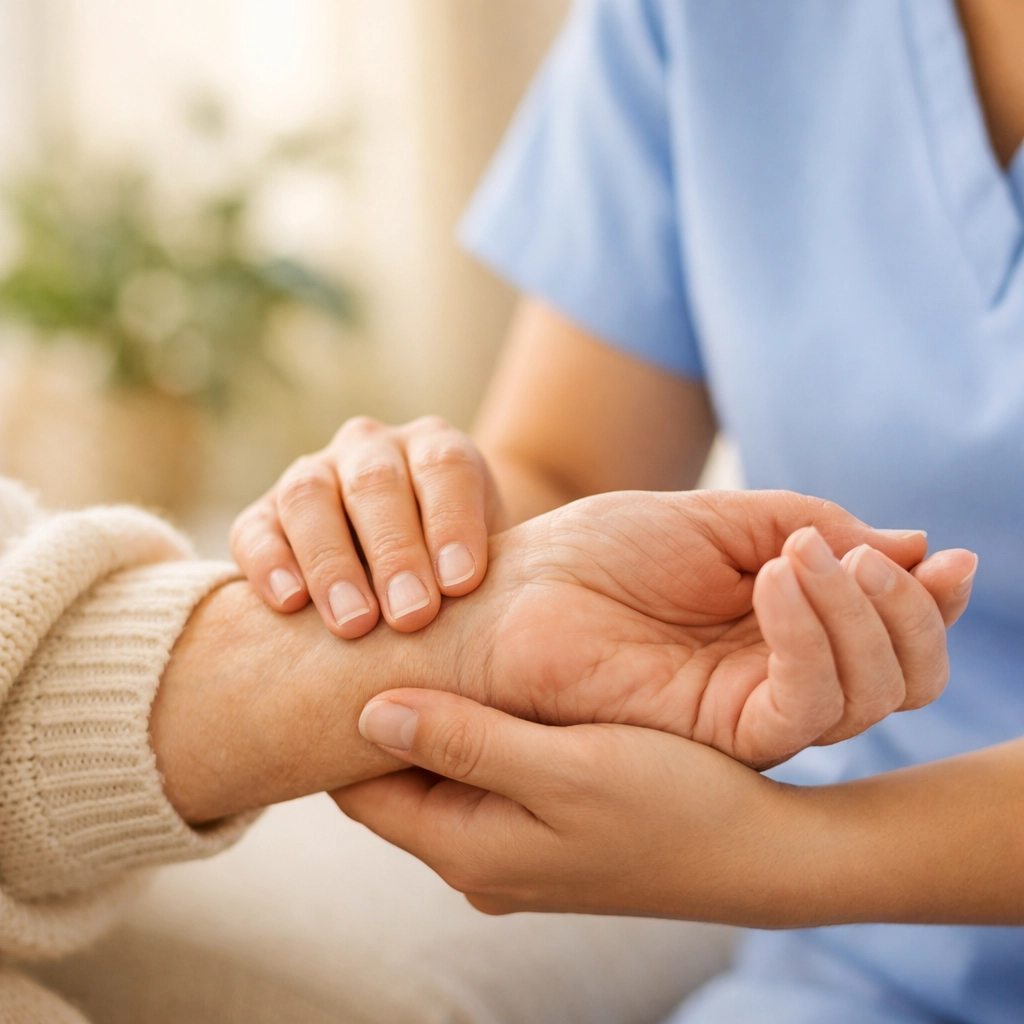
The duties of a health care assistant include complex, hands-on clinical care that requires precision. They are responsible for monitoring vital signs, blood pressure, pulse, and temperature, which can be the first indicator of a serious infection or a cardiac event. They manage wound care, assist with dressing changes, and ensure that medication is administered exactly as prescribed.
Beyond the Basics: Infection Control and Hygiene
In the context of home care, hygiene is a matter of life and death. For an elderly person with a weakened immune system, a simple infection can quickly escalate into a hospital admission. HCAs are trained in strict infection control measures that would look familiar in any Southampton hospital ward…
They manage personal care, bathing, toileting, and grooming, with a focus on maintaining skin integrity. Preventing pressure ulcers is a constant battle that requires technical knowledge of positioning and mobility. It is not just about keeping someone clean; it is about preventing the physical breakdown that leads to long-term suffering.
The Power of Observation
Perhaps the most critical part of the job is the "silent" work. While it might look like a casual conversation, a professional HCA is constantly assessing the individual's mental and physical state. They are looking for subtle shifts that a family member might miss…
- A slight change in the clarity of a person’s eyes might signal dehydration.
- A minor shuffle in their gait could be the precursor to a fall.
- A loss of appetite might indicate a new medication is causing adverse reactions.
These observations are documented in real-time. This data becomes the bridge between the patient and their GP or the wider medical team. When an HCA catches these signs early, they are effectively preventing a crisis before it starts.

Addressing the Need for Companionship
There is a specific term often used in the industry: senior companionship care. While we prefer to focus on the care of elderly and older people, the core of this service is frequently misunderstood. People assume "companionship" is just a social call, but in a professional setting, it is a clinical intervention…
Isolation and loneliness are significant drivers of cognitive decline and physical illness in Southampton’s older population. A professional HCA uses these "social" moments to provide emotional support to those experiencing anxiety or fear. They serve as advocates, ensuring the individual’s voice is heard when they can no longer speak for themselves. You can learn more about how we approach this on our companionship support page.
The Responsibility of Medication and Nutrition
The management of medication is another area where the "sitting" myth falls apart. Helping an older person manage complex medication schedules requires focus and a deep understanding of dosages. HCAs must be vigilant for side effects and ensure that life-sustaining pills are taken correctly every single time.
Nutrition and hydration are equally high-stakes. It is not just about making a sandwich; it is about ensuring that a person with swallowing difficulties can eat safely. It is about tracking fluid intake to prevent urinary tract infections (UTIs), which are a leading cause of confusion and falls in the elderly.

Maintaining Professional Boundaries and Standards
The job requires a unique psychological stamina. HCAs work in the private homes of their clients, which means they must navigate family dynamics, grief, and sometimes challenging behaviour with absolute professionalism. They follow strict standards and confidentiality rules…
At BestCare24, we see this role as a skilled profession. Our team members are not "sitters", they are dedicated healthcare workers who choose to provide one-to-one care rather than working in a crowded hospital ward. This allows for a level of focus and person-centred care that is impossible elsewhere. You can see how this fits into our broader mission by visiting about us.
The Reality of the "Tea and Biscuits" Myth
When society reduces home care to a social visit, it devalues the expertise required to keep our elderly population safe. It suggests that anyone can do the job without training. This perception leads to underfunding and a lack of respect for a workforce that keeps the NHS from collapsing.
In Southampton, we are seeing an increasing demand for home care services. As the population ages, the complexity of the care needed at home increases. We are no longer just helping people with the shopping; we are managing chronic conditions, dementia, and end-of-life care in a domestic setting.

Why Training Matters
Because the stakes are so high, the training for an HCA must be comprehensive. It covers everything from moving and handling to specialized dementia care. A "sitter" doesn't know how to de-escalate a situation where an older person is distressed and confused. A professional HCA does.
They understand the legal frameworks, such as the Mental Capacity Act, and they know how to report safeguarding concerns. This is a regulated, professional environment. If you are interested in the professional standards we uphold, you can look at our values.
A Call for Respect
It is time to change the language we use. When you see a healthcare assistant walking through Southampton, understand that they are likely carrying the weight of someone’s health, dignity, and safety in their hands. They are the reason many of our neighbours can wake up in their own beds rather than in a hospital ward…
If you or a loved one are beginning the journey of seeking support, do not look for a "sitter." Look for a professional who understands the clinical and emotional requirements of the role. The difference between the two is not just a matter of terminology; it is the difference between surviving and thriving at home.
For those looking for more information on how professional care can support an older person, our information and support section provides a wealth of resources. Whether it is respite care or long-term elderly care, the goal remains the same: professional excellence, not just a casual visit.

Conclusion: Reframing the Profession
The next time you hear someone dismiss the work of a healthcare assistant, correct them. Tell them about the vital signs, the wound care, the medication management, and the lives saved through expert observation. The "tea and biscuits" are just the setting; the care is the substance…
We are proud of the work our team does across Southampton. If you believe you have what it takes to meet these high standards, we encourage you to look at our careers page. For families needing this high level of professional support, please contact us to discuss how we can help.
The high-stakes reality of home care is that it is one of the most demanding, skilled, and essential jobs in the UK today. It is time we started treating it that way.