

Finding the right support for yourself or a loved one is a significant step… and often a stressful one. When you begin searching for home care services Southampton, the options can feel overwhelming. You want someone professional, but you also want someone who genuinely cares. It is about more than just clinical tasks: it is about maintaining dignity, independence, and a sense of "home."
Southampton has a wide range of care options, but not every service fits every family. Understanding the landscape of domiciliary care Southampton is the first step toward making a choice that feels right for your situation. Here are ten essential things you should know before you commit to a provider.
1. Domiciliary Care vs. Live-in Care: Choosing the Right Fit
The term "domiciliary care" essentially refers to support provided in your own home. For many in Southampton, this starts with short visits throughout the day. These visits can range from 30 minutes to several hours, depending on what is needed.
Live-in care is different: it involves a carer staying in the home 24/7. This is often a preferred alternative to residential care homes, as it allows individuals to stay in familiar surroundings. When considering home care services Southampton, you should evaluate whether the need is for intermittent help with daily tasks or the constant presence of a professional.
2. The Unique Role of Private Carers in Southampton
Private carers Southampton offer a more personalised alternative to large, impersonal agencies. One of the biggest concerns for families is "carer churn": seeing a different face every day. Private or boutique care services usually prioritise consistency.
Having a consistent carer means:
- Better monitoring of health changes: a regular carer notices small shifts in mood or appetite.
- Stronger emotional bonds: trust is built over time, making personal care less intrusive.
- Personalised routines: your morning cup of tea is made exactly how you like it… every single time.

3. Person-Centred Care is Not Just a Buzzword
You will see the phrase "person-centred care" on almost every healthcare website. In reality, it means the care plan is built around you, not the agency’s schedule. It focuses on what you can do, rather than just what you can’t.
At BestCare24, the focus is on your values and preferences: your hobbies, your history, and your daily habits. This approach ensures that care doesn't feel like an interruption to your life, but rather a support system that enables you to keep living it. You can learn more about how this works on the our values page.
4. Specialised Support for Dementia
Caring for someone with dementia requires a specific set of skills and a high level of patience. Dementia support in Southampton is increasingly sophisticated, moving away from simple supervision toward cognitive stimulation and emotional reassurance.
Dementia care should focus on:
- Maintaining a calm and safe environment.
- Encouraging independence where possible.
- Reducing anxiety through familiar routines.
- Supporting the family as much as the individual.
If your loved one is struggling with memory loss, it is vital to check if the private carers Southampton you are looking at have specific training in this area.
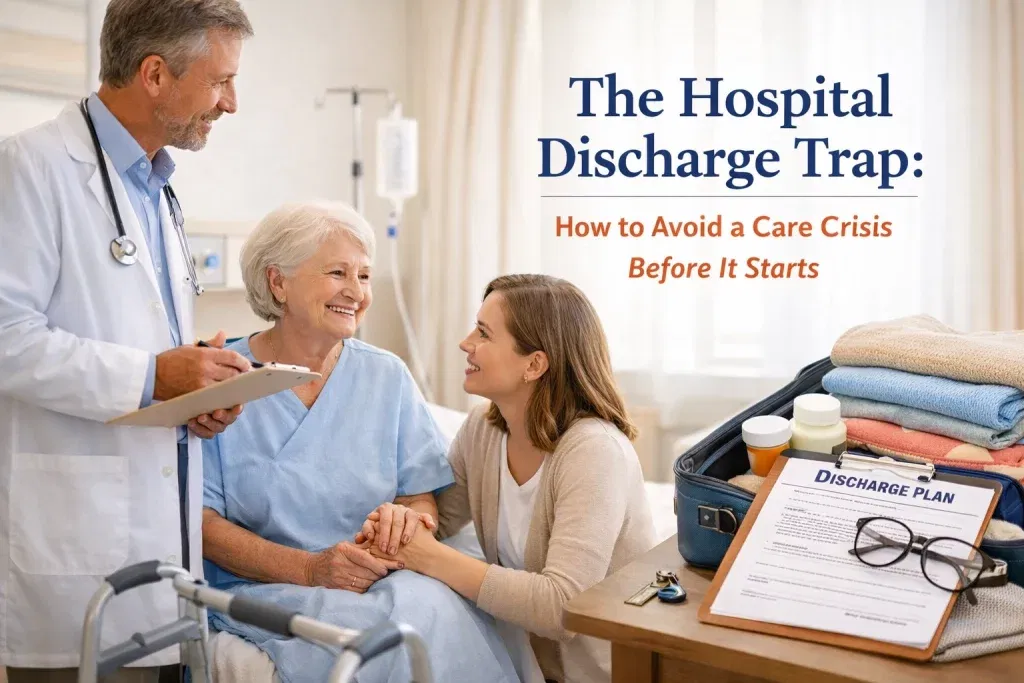
5. Navigating the Hospital-to-Home Transition
The period immediately following a hospital stay is a vulnerable time. Many families in Southampton find themselves scrambling when a discharge date is suddenly announced. This is where "hospital-to-home" or "reablement" care becomes essential.
A structured transition plan prevents readmission. This involves coordinating with hospital discharge teams, ensuring the home is safe, and having a carer ready the moment the patient arrives home. It covers everything from medication management to help with mobility.
6. The Benefits of Maintaining Independent Living
The primary goal of home care is to keep you in your own home for as long as possible. Studies consistently show that people are "happiest and healthiest" when they remain in their own environment.
Independent living isn't just about safety: it's about mental well-being. Being able to look out of your own window, sit in your own garden, or have your pets nearby makes a massive difference in quality of life. Home care services Southampton are designed to facilitate this independence, providing just enough support to make life easier without taking away your autonomy.
7. Understanding CQC Regulations and Quality Standards
In England, home care providers are regulated by the Care Quality Commission (CQC). This is your primary tool for vetting a provider. A CQC rating gives you an objective look at whether a service is safe, effective, caring, responsive, and well-led.
You should always:
- Check the provider's latest inspection report.
- Look for a "Good" or "Outstanding" rating.
- Ask the provider how they maintain these standards day-to-day.
- Verify that they are fully insured and that their staff have undergone DBS checks.
8. Financial Planning and Funding for Care
The cost of care is a major consideration. In Southampton, funding usually comes from one of three places: local authority funding, NHS continuing healthcare (CHC), or self-funding.
It is worth contacting Southampton City Council for a "needs assessment." Even if you end up self-funding, this assessment helps define exactly what level of care is required. Many families find that domiciliary care Southampton is more cost-effective than moving into a residential home, especially when only a few hours of support are needed each week.
9. Companionship: Addressing Isolation and Loneliness
Home care is often thought of as help with washing, dressing, or medication. However, companionship is just as vital. Loneliness is a significant health risk for seniors in Southampton.
A good home care service includes:
- Friendly conversation over a cup of tea.
- Assistance with getting out into the Southampton community.
- Help with technology to keep in touch with family.
- Accompaniment to appointments or social groups.

10. How to Choose the Best Provider for Your Needs
Choosing a provider is a personal decision… and you should trust your gut. When you speak to an agency or a private carer, pay attention to how they listen. Do they ask about your life, or are they just listing their prices?
Consider these steps:
- Request a home visit: Most reputable providers in Southampton will offer a free initial consultation.
- Ask about staff training: How are they supported and kept up to date?
- Read reviews: Look at what our customers and others in the community are saying.
- Check for flexibility: Life changes, and your care plan should be able to change with it.

Making the Move Toward Better Support
Taking the first step toward home care can feel like a loss of independence, but most people find it is actually the opposite. By getting a little help with the things that have become difficult, you free up energy to focus on the things you still love doing.
Whether it is help after a surgery, specialized dementia support, or just a friendly face to check in once a day, the right home care services Southampton can make all the difference. It is about creating a safe, comfortable environment where you can continue to be yourself.
If you are ready to explore your options, looking into local providers who value person-centred care is the best place to start. Every journey is different, but you don't have to navigate the path alone… there is plenty of support available right here in our community.
For more information on how to manage this transition or to find resources for your family, you can visit our information and support section. Planning ahead is the best way to ensure peace of mind for everyone involved.