

Hospital discharge often happens faster than families expect. Having a plan for Hospital to Home Transition Support in Southampton ensures that recovery starts the moment you leave the ward: speed and safety are the primary goals. When medical teams at University Hospital Southampton or Southampton General Hospital determine a patient is fit for discharge, the logistics of home life become the immediate priority.
The transition from a clinical environment to a residential setting requires careful management. Professional support reduces the risk of readmission: it provides the necessary structure for a patient to regain their independence safely. You need a service that understands the local healthcare landscape and can react with the urgency that modern discharge planning demands.
The Importance of Immediate Care Response
Speed is the most critical factor in a successful transition. Many families find themselves in a position where they need to hire care in minutes: this usually happens when a sudden improvement in health leads to an unexpected discharge notice. Emergency transitions require a provider that can bypass lengthy administrative delays and place a caregiver in the home immediately.
Delayed discharges, often referred to as "bed blocking," create stress for both the patient and the hospital system. Accessing Hospital to Home Transition Support in Southampton quickly allows the hospital to free up space while ensuring the patient does not lose the momentum of their recovery. Rapid response care is designed for these high-pressure scenarios: it focuses on getting the essentials in place without delay.
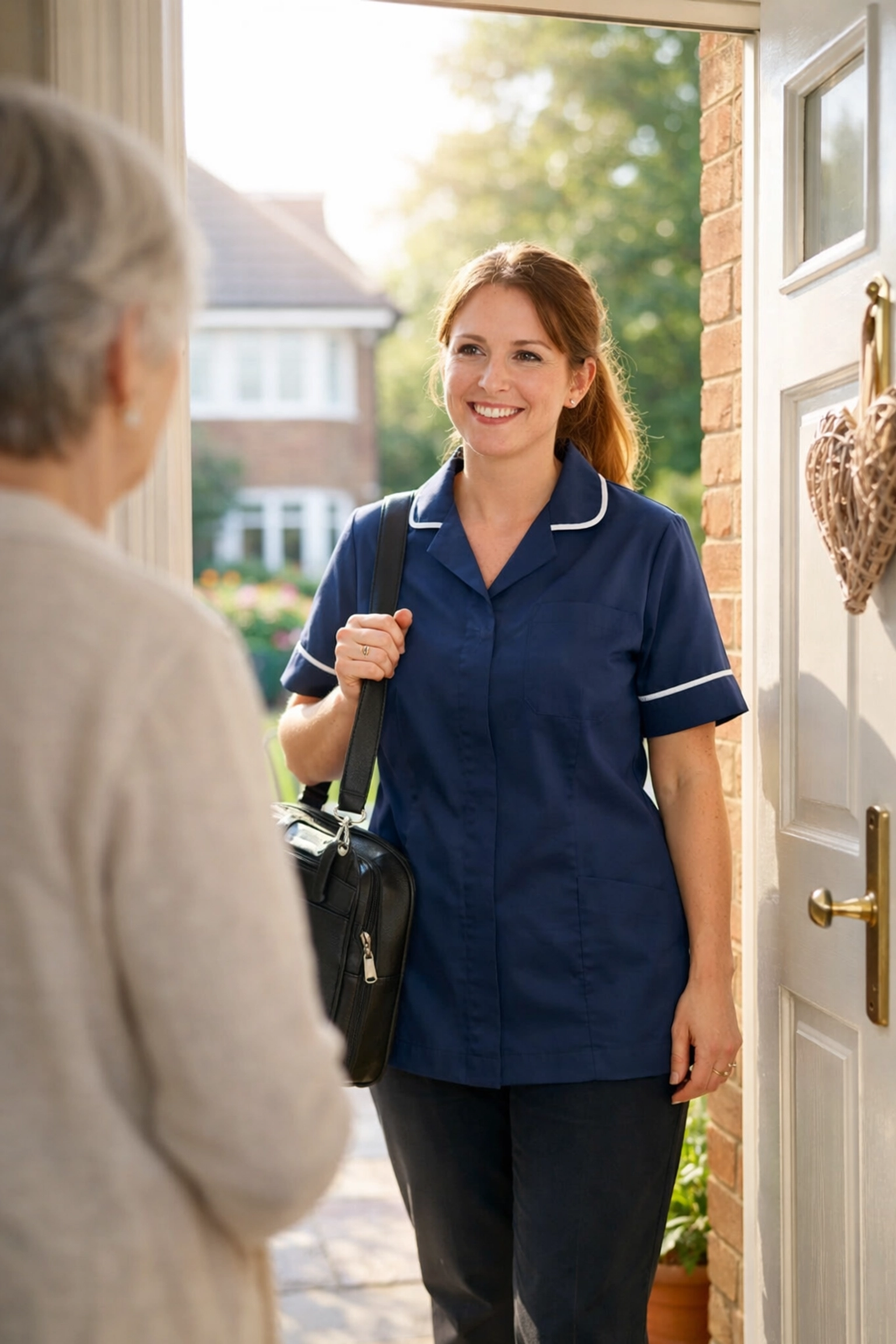
Person-Centred Care: More Than Just Medical Tasks
A person-centred approach means the care plan is built around your specific lifestyle and preferences. It is not a "one size fits all" solution: it accounts for your home layout, your daily routines, and your personal recovery goals. This method ensures that the support provided is relevant and respectful of your autonomy.
In the context of personal care, being person-centred involves more than just ticking boxes on a checklist. It involves understanding how you prefer to manage your morning routine or which meals you find most comforting during recovery. By focusing on the individual, caregivers can encourage a more positive mental outlook: this is a significant factor in physical healing.
Navigating the Discharge Process at Southampton General Hospital
The discharge process at Southampton General Hospital involves multiple departments and professionals. You will likely interact with ward nurses, discharge coordinators, and potentially social workers: coordination between these parties is essential. Effective transition support acts as a point of contact for these teams to ensure instructions are followed accurately at home.
Before leaving the hospital, a discharge summary is provided. This document contains vital information regarding medication changes, follow-up appointments, and wound care instructions: caregivers use this as the foundation for the home care plan. Having a professional present to interpret these instructions ensures that nothing is overlooked during the first 24 hours back at home.

Key Components of a Transition Plan
A comprehensive transition plan is divided into several manageable stages. Each stage is designed to address a specific risk factor associated with returning home after a hospital stay. The following components are standard in high-quality Hospital to Home Transition Support in Southampton:
- Initial Assessment: A review of the home environment to identify potential trip hazards or the need for mobility aids.
- Medication Management: Organizing new prescriptions and ensuring the patient understands the dosage and timing.
- Nutritional Support: Preparing meals that adhere to any dietary restrictions prescribed by the hospital.
- Transportation: Arranging safe travel from the hospital to the residence.
- Communication: Maintaining a link between the patient, their family, and their GP.
These steps create a safety net: they allow the patient to focus entirely on their physical rehabilitation.
Specialist Support for Complex Recoveries
Some transitions require a higher level of clinical or specialized knowledge. For instance, those recovering from surgery or managing chronic conditions like heart disease need attentive monitoring: subtle changes in health must be identified quickly. If you are seeking elderly care, the focus may be on preventing falls and managing frailty.
In cases involving cognitive decline, the transition can be particularly disorienting. Using dementia care principles during the move from hospital to home helps to minimize distress: familiar routines are established immediately to provide a sense of security. Specialists in this field know how to manage the "sundowning" effect that often worsens after a change in environment.

The Practicalities of Home Safety Assessments
The home environment often looks different to a patient after a hospital stay. What was once a simple staircase may now be a significant obstacle: a safety assessment identifies these challenges before the patient arrives. This might involve suggesting the installation of grab rails or moving a bed to the ground floor for easier access.
Lighting and flooring are also evaluated during these assessments. Bright, natural imagery in the home can improve mood, but practical lighting is needed for safety during the night: clear pathways must be maintained at all times. Professional caregivers assist in keeping the home environment organized: this prevents accidents that could lead to a hospital readmission.

Coordinating with Local Healthcare Teams
Recovery does not end with the arrival of a caregiver. Ongoing coordination with local Southampton services is a requirement: this includes the patient’s GP surgery and local pharmacies. If the hospital has prescribed physiotherapy, the home care team ensures the patient attends these sessions and performs their exercises correctly.
Using the information and support resources available through local networks helps to build a sustainable long-term plan. This collaborative approach ensures that the care remains dynamic: it adjusts as the patient gets stronger and needs less intensive help. The goal is always to move toward greater independence while maintaining a baseline of safety.
Why Speed and Reliability Matter
When you are looking for Hospital to Home Transition Support in Southampton, reliability is non-negotiable. A caregiver must be there when the taxi arrives from the hospital: there is no room for error in timing. Professional services like BestCare24 prioritize this level of punctuality because they understand the vulnerability of a patient in transit.
Reliability also extends to the consistency of the care team. Seeing the same faces helps to build trust: this trust makes the recovery process less stressful for the patient and their family. When a caregiver is familiar with the patient’s specific needs, they can spot early warning signs of complications: early intervention is the best way to avoid returning to the hospital.
How to Access Rapid Support in Southampton
If you are currently facing an imminent discharge, the first step is to establish a contact. You can reach out through the contact page to begin the process of matching a caregiver to your needs. The system is designed for speed: it allows you to move from a state of uncertainty to having a confirmed care plan in a very short timeframe.
For those planning ahead, reviewing our services provides a broader view of what is possible. Whether you need short-term respite care or long-term assistance, the transition support serves as the starting point. Having this infrastructure in place provides peace of mind: it ensures that when the hospital says "it is time to go home," you are ready.
Recovery is a sensitive period that requires a balance of professional expertise and compassionate delivery. By choosing a service that values speed and a person-centred approach, you are giving yourself or your loved one the best possible chance at a full and fast recovery. Hospital to Home Transition Support in Southampton is the essential link in the healthcare chain: it ensures that the high-quality care received in the hospital continues without interruption at home.