

Coming home from hospital should feel like a relief. But for many families in Southampton, it brings worry instead.
You're managing new medications, dealing with mobility changes, and trying to understand what recovery actually looks like. The NHS discharge process moves quickly, and you might feel pushed out before you're truly ready.
This isn't about criticising the system. It's about understanding how to navigate it, what support you're entitled to, and how to make the transition as safe as possible for you or your loved one.
Understanding Southampton's Discharge to Assess Model
Southampton uses a "Discharge to Assess" approach, also called Home First. The idea is straightforward: you recover better at home than in a hospital bed.
Rather than keeping you in hospital while assessments happen, you're discharged with support. Then, in your own environment, professionals assess what long-term care you actually need.

Here's what that means practically:
- Post-discharge care is funded by the NHS initially
- You'll receive recovery, rehabilitation, or reablement services at home
- Assessments happen where you live, not in a clinical setting
- You're not rushed into permanent care decisions while still recovering
During this period, you'll receive an eligibility assessment for longer-term care needs and a financial assessment if ongoing support is required. The assessment happens after you've had time to recover, which typically gives a clearer picture of what help you genuinely need.
Before You Leave Hospital: Your Rights and Responsibilities
You should receive a written discharge plan before leaving hospital. Not an email you might check later… a physical document that's also explained verbally to you and anyone involved in medical decisions.
This plan must include:
- Critical results from laboratory or diagnostic tests
- Recommendations for follow-up appointments
- Complete medication list with instructions
- Contact information for questions or concerns
You have the right to participate in all decisions about your discharge. If you feel you're being discharged too early or without adequate support, you can appeal. The hospital must provide written information about how to do this.
Don't be afraid to ask questions. What should the first week look like? Which symptoms are normal and which require immediate attention? Who do you call if something goes wrong at 2am?
The Role of Healthcare Assistants in Your Transition Home
When you return home, healthcare assistants often become the backbone of your recovery. Understanding what they do helps you know what to expect and how to work with them effectively.
Healthcare assistant role and responsibilities include:
- Personal care support like washing, dressing, and toileting
- Mobility assistance and fall prevention
- Medication reminders and monitoring
- Meal preparation and nutritional support
- Monitoring vital signs and reporting changes
- Emotional support and companionship
The duties of a health care assistant go beyond physical tasks. They're trained to spot subtle changes that might indicate complications. A healthcare assistant visiting daily will notice if you're sleeping more than usual, eating less, or struggling with confusion… things that might not be obvious during a 10-minute GP appointment.
They also provide continuity. While you might see different district nurses or have various medical appointments, your healthcare assistant is often the consistent presence who knows your routine, understands your preferences, and can communicate effectively with your medical team.
Setting Up Post-Discharge Support Services
Multiple services work together to support your transition home. Knowing what each offers helps you access the right help at the right time.
Your GP Practice
Your GP receives an electronic discharge summary from the hospital. They should review your care within the first week home. Book an appointment to discuss medications, follow-up requirements, and any concerns. Your GP can recommend additional resources and services based on how your recovery progresses.
Community Nursing Teams
District nurses visit at home to administer medications, change dressings, monitor wounds, and provide clinical care. They can set up syringe drivers if needed and coordinate with your GP about any complications. You're usually referred to district nursing before discharge, but your GP can also arrange this.
Community Palliative Care Teams
If you have complex symptom control needs or require specialist support for psychological or social challenges, community palliative care teams provide expert guidance. This isn't just end-of-life care… it's specialist support for managing difficult symptoms and improving quality of life.
Home Care Services Southampton
Home care services in Southampton bridge the gap between medical care and daily living support. While the NHS provides clinical care, home care agencies provide the practical support that makes independent living possible.
This includes everything from help getting out of bed and washed in the morning, to meal preparation, medication reminders, and companionship throughout the day.
Preparing Your Home Environment
Hospital rooms are designed for safety and accessibility. Your home probably isn't. Before discharge, consider what changes might reduce risks and make daily life easier.
Essential safety checks:
- Remove loose rugs and trailing cables
- Improve lighting, especially on stairs and in bathrooms
- Install grab rails near the toilet and in the shower
- Ensure frequently used items are at accessible heights
- Check that smoke alarms and carbon monoxide detectors work
- Clear pathways of clutter
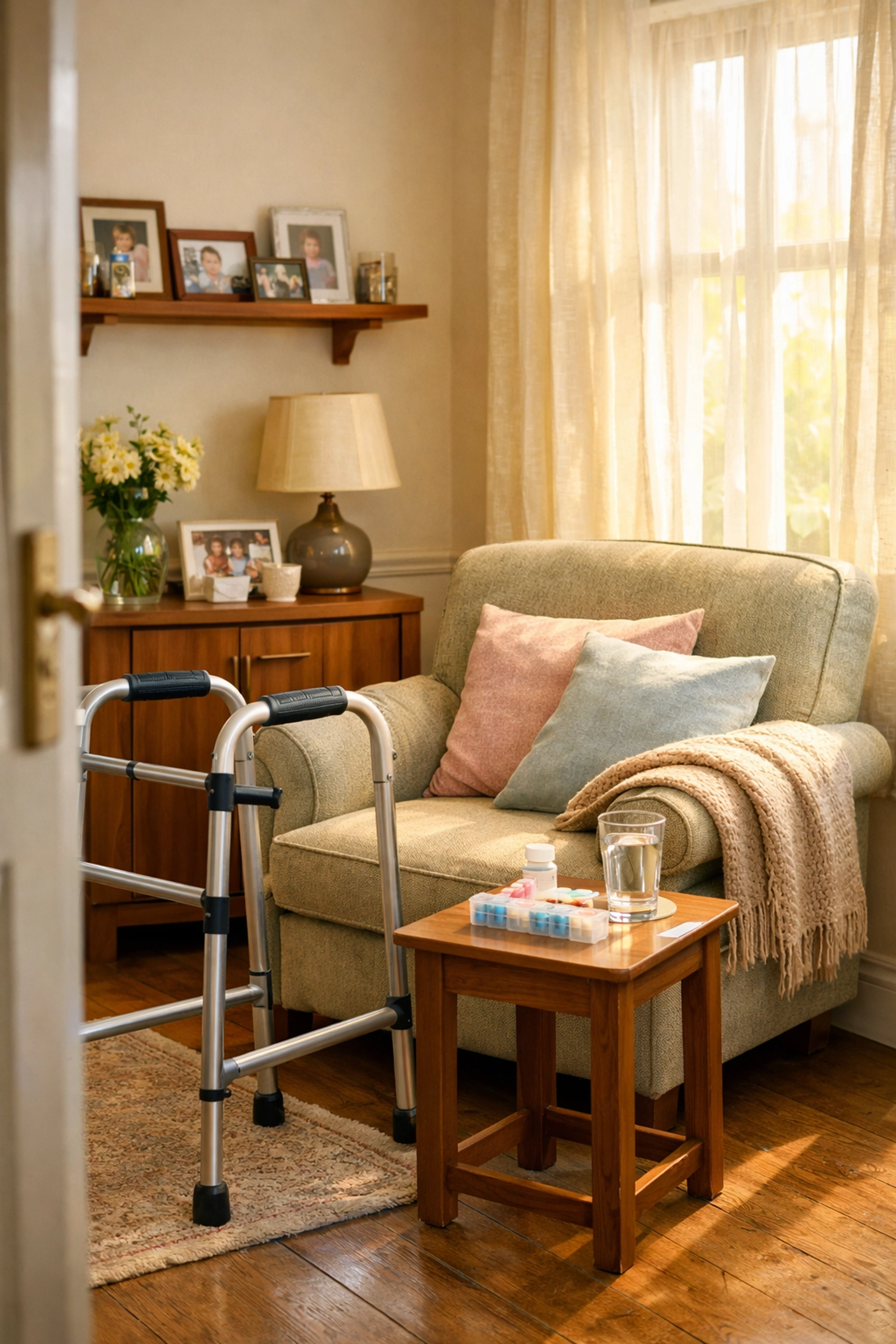
If you're using mobility aids like a walking frame or wheelchair, measure doorways and hallways. You might need to rearrange furniture to create clear paths.
The occupational therapy team can assess your home before discharge or shortly after. They recommend equipment and modifications that increase independence and safety. This assessment is free through the NHS, though you may need to pay for equipment depending on your financial situation.
Managing Medications at Home
Medication management causes significant problems during hospital-to-home transitions. You're often on new medications, different doses, or told to stop taking things you've been on for years.
Get clear information about:
- Exactly which medications to take and when
- Which previous medications to stop
- What each medication does and why you're taking it
- Potential side effects to watch for
- What to do if you miss a dose
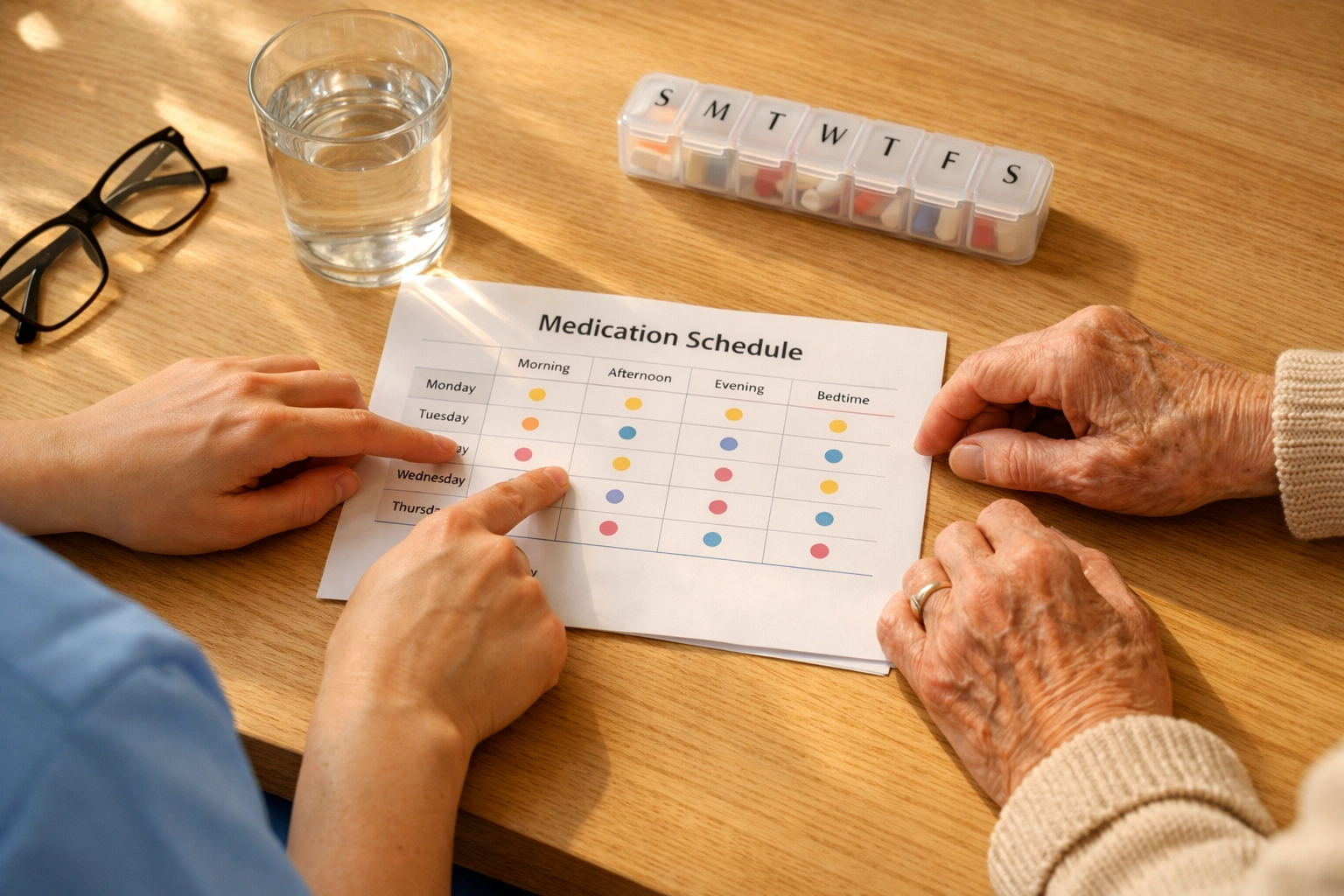
Request a written medication schedule. Keep all medications in one place with clear labels. If you're managing multiple medications, consider a dosette box organised by a pharmacy.
If you need injectable medications at home, ask for a community prescription chart. This authorizes community healthcare professionals to administer them, ensuring continuity of treatment.
Some people find medication management overwhelming. Healthcare assistants can provide medication reminders and monitor that medications are taken correctly, though they cannot administer medications unless specifically trained and authorised.
Communication: The Critical Component
Most problems during hospital-to-home transitions stem from communication breakdowns. Information doesn't get passed along, family members aren't informed, or expectations aren't clearly set.
Before discharge, ensure:
- Family members or carers know you're being discharged and when
- Someone has a copy of your discharge plan
- Your GP practice has been notified
- Any required equipment or medications are arranged
- Home care services are confirmed and scheduled
Identify one person as the main point of contact for healthcare professionals. This doesn't mean they make all decisions, but they coordinate information and ensure everyone knows what's happening.
Keep a notebook with important information: medication changes, symptoms to report, appointment dates, and questions for medical professionals. When you're recovering from illness or surgery, memory and concentration often aren't at their best.
The First Few Weeks Home
The first fortnight after discharge is critical. You're adjusting to being home, recovery is ongoing, and the risk of complications or readmission is highest.
Watch for warning signs that require medical attention:
- Increased pain that doesn't respond to prescribed medication
- Fever or signs of infection
- Difficulty breathing or chest pain
- Confusion or significant mood changes
- Inability to eat, drink, or take medications
- Falls or near-falls
Don't wait for things to become emergencies. If something doesn't feel right, contact your GP or call 111 for advice. It's always better to ask and be reassured than to delay seeking help when it's genuinely needed.

Most people experience some setbacks during recovery. A day when you feel more tired, less mobile, or more uncomfortable doesn't necessarily mean something's wrong. It's part of the recovery process. But if symptoms persist or worsen, get professional advice.
Building Your Support Network
Recovery isn't just about medical care and physical healing. Isolation and loneliness significantly impact recovery outcomes.
Consider what support network you have and what gaps exist. Do you have family nearby? Friends who can visit? Are you part of a community group or place of worship?
Companionship support addresses the emotional and social aspects of recovery. Someone who visits regularly, shares a cup of tea, helps with correspondence, or accompanies you to appointments makes an enormous difference to wellbeing and motivation during recovery.
Social prescribing services, available through your GP, can connect you with community activities, volunteer services, and support groups. These aren't medical interventions, but they're often as important as medication for overall recovery and long-term wellbeing.
When Hospital-to-Home Transitions Go Wrong
Despite best efforts, some transitions don't go smoothly. You might feel discharged too early, without adequate support, or with unclear information about recovery expectations.
If you're struggling, speak up quickly. Contact your GP, call 111, or reach out to the hospital discharge team if it's within a few days of leaving.
You're not complaining or being difficult by asking for help. You're ensuring you get the support needed for safe recovery.
The Patient Advice and Liaison Service (PALS) at your hospital can help if you feel your discharge wasn't properly planned or if promised services haven't materialised. They can advocate on your behalf and help resolve issues.
Planning for Ongoing Care Needs
As you recover at home, it often becomes clearer what longer-term support you need. Some people regain full independence. Others find they need ongoing assistance with certain tasks.
Personal care services can be arranged for the long term, not just during immediate recovery. Whether you need daily visits or just a few hours of support each week, care can be tailored to your specific situation.
The social services assessment during your recovery period determines eligibility for funded care. Even if you don't qualify for fully funded support, you can arrange private home care services that give you control over who provides care and when.
Transitioning from hospital to home in Southampton involves navigating multiple services, understanding your rights, and knowing when to ask for help. It's not always straightforward, but with proper planning, clear communication, and appropriate support, you can recover safely in the comfort of your own home.
The key is not trying to manage everything alone. Whether through NHS services, home care support, or your personal network, building a team around you makes all the difference between struggling through recovery and actually healing.