
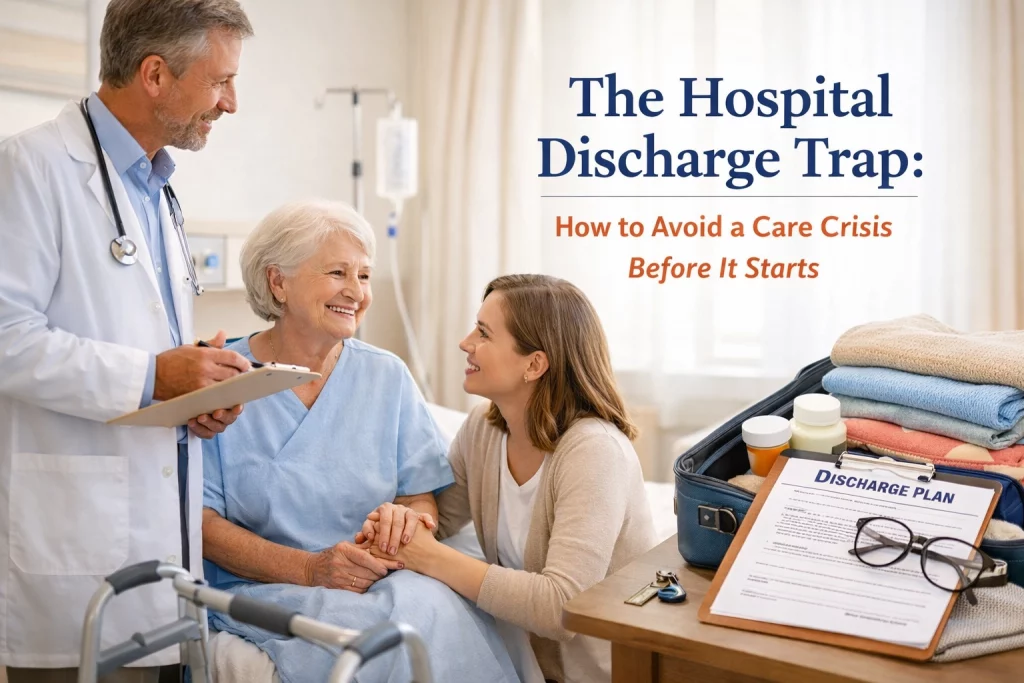
The phone rings. It’s the hospital. After days or weeks of monitoring, tests, and waiting, the consultant has finally said the words you’ve been longing to hear: "Your loved one is medically fit for discharge."
In that moment, a wave of relief usually washes over families in Southampton. The crisis is over, right? Not necessarily. For many, this is where a different, more complex crisis begins. It is known in the industry as the "Hospital Discharge Trap." It’s the gap between leaving the ward and having a safe, functional environment to return to at home.
Without a solid plan, being "medically fit" doesn't mean someone is "home ready." In fact, without the right support in place, many people find themselves back in A&E within 72 hours. Avoiding this trap requires a mix of foresight, local knowledge, and the ability to move faster than the traditional care system usually allows.
Understanding the "Medically Fit" Label
When a hospital in Southampton, such as Southampton General or the Princess Anne, labels a patient as "medically fit," it simply means they no longer require the acute clinical intervention that only a hospital can provide. It does not mean they have regained their full strength, mobility, or independence.
The hospital's primary goal is to free up beds for incoming emergencies. This is understandable given the immense pressure on the NHS, but it often leaves families in a scramble. You are suddenly expected to become a project manager, a physical therapist, and a personal care assistant overnight.
The trap happens when the discharge happens faster than the local social care system can react. If you rely solely on council-funded assessments or traditional care agencies, you might be told there is a two-week wait just for an initial home visit.

The Hidden Danger of Bed-Blocking
The term "bed-blocking" is frequently used in the news, but its impact on an individual level is often overlooked. When a person stays in a hospital bed longer than necessary because home care isn't ready, their physical health can actually decline.
Studies show that for older people, ten days of bed rest can lead to the equivalent of ten years of muscle ageing. The longer someone stays in the "safety" of the ward after they are medically fit, the harder it becomes for them to manage at home.
This creates a vicious cycle. The family waits for a care agency to finish their paperwork, the patient loses more mobility, and by the time the carer arrives at the front door, the level of care required has doubled.
The First 48 Hours: The Critical Window
The first two days after arriving home are the most dangerous. This is when medication errors happen, falls occur, and the sheer exhaustion of the transition sets in.
For families in Southampton, the stress of navigating the M27 or finding parking at the hospital is nothing compared to the stress of the first night home. You realize the fridge is empty, the heating hasn't been on, and your loved one can’t quite manage the stairs as well as the hospital staff suggested they could.
Traditional care agencies often struggle with this immediacy. They have rigid rotas and lengthy onboarding processes. At BestCare24, we’ve seen how this delay causes unnecessary readmissions. The "trap" is essentially a timing issue: the hospital moves fast, the care system moves slowly, and the patient falls through the middle.
Why Traditional Care Agencies Struggle with Discharge
Most care companies in the UK operate on a model that hasn't changed in decades. If you call them on a Tuesday afternoon because your mum is being discharged on Wednesday, you will likely hear:
- "We need to send a manager for an assessment first."
- "We don't have any capacity in your postcode right now."
- "Our next available slot for a new client is in ten days."
This doesn't help when you are standing in a hospital car park with a discharge summary in your hand. The bureaucracy of the traditional agency model is the primary reason the discharge trap exists. They aren't designed for speed; they are designed for long-term, static rotas.
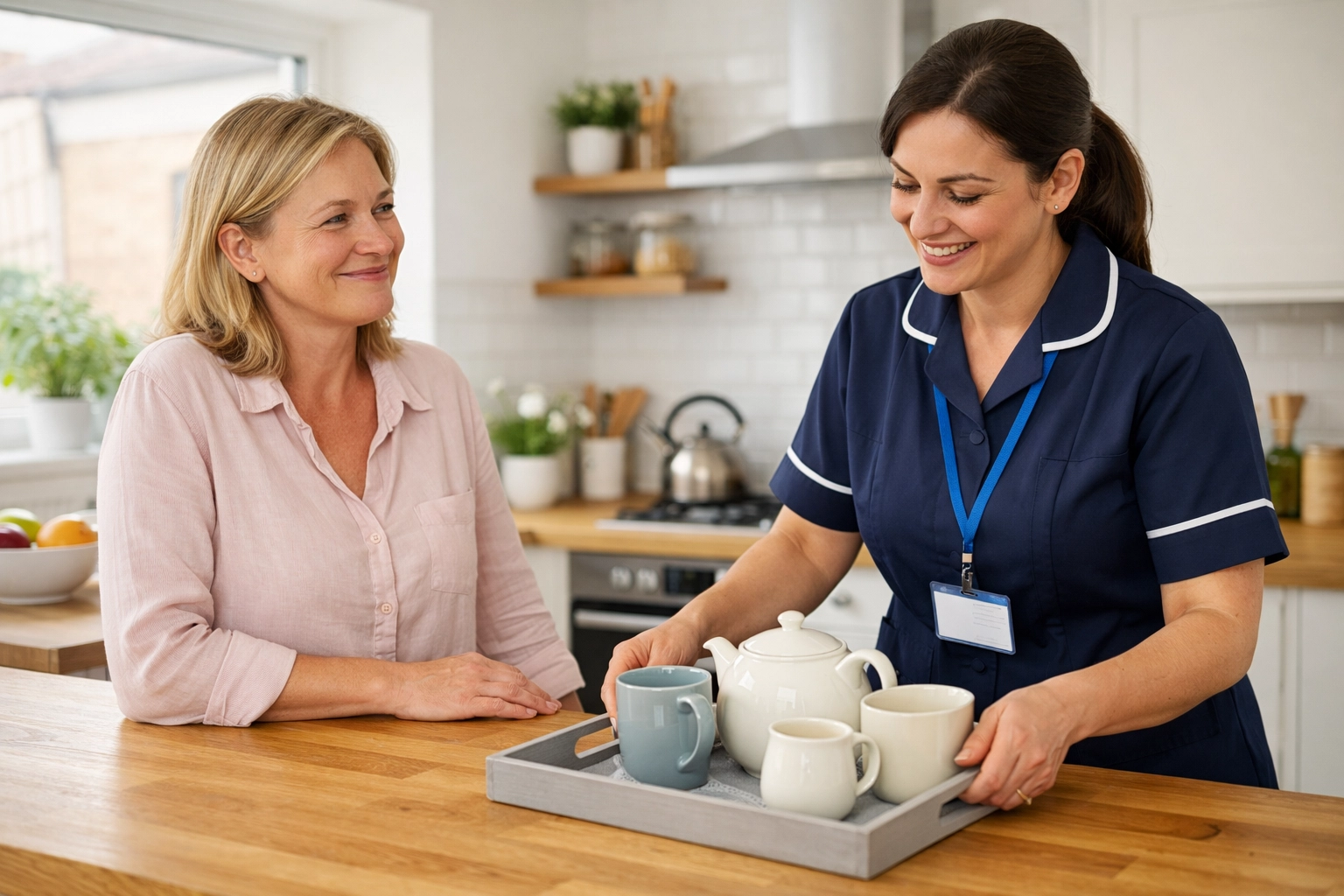
Breaking the Cycle: Care in Minutes, Not Weeks
We founded BestCare24 to solve this exact problem. We believe that if you can book a taxi or a hotel in minutes, you should be able to secure high-quality care just as quickly.
By using technology to connect families directly with qualified healthcare assistants and carers in Southampton, we remove the "middleman" delays. You can browse profiles, check qualifications, and hire a carer in minutes.
This speed is crucial for hospital discharges. It means you can have a carer waiting at the house before the patient even leaves the ward. They can ensure the house is warm, help with the first meal, and provide the physical support needed during those first critical hours. This isn't just about convenience; it’s about safety.
A Practical Discharge Checklist for Southampton Families
To avoid the trap, you need to be proactive while your loved one is still in the hospital. Don't wait for the "medically fit" phone call to start your preparations.
- Ask for the "Estimated Date of Discharge" (EDD): Ask the ward sister for this every single day. It will change, but it keeps the momentum moving.
- Request a Therapy Assessment: Ensure the hospital's occupational therapist has assessed your loved one's ability to navigate their specific home environment, not just a hospital corridor.
- Check the Medication: Before leaving, ensure you have at least two weeks of medication and that you understand any new prescriptions.
- Secure Immediate Support: Don't assume you can "manage for a few days" while you look for long-term care. Secure companionship support or personal care for at least the first week to ease the transition.
- Local Logistics: Ensure someone has the keys, the fridge has basic supplies, and the path from the front door to the main living area is clear of trip hazards.
The Role of the Family in the Transition
It is a heavy burden for families to carry. You are often dealing with your own work commitments and childcare while trying to manage a healthcare crisis.
The compassionate approach isn't just about the patient; it's about the family unit. When you use a service that allows you to hire a carer instantly, you aren't just getting help for your loved one: you are getting your own life back. You can go back to being a daughter, a son, or a spouse, rather than an unpaid, untrained nurse.
Our information and support resources are designed to help you navigate these choices without the jargon. Whether you need dementia care or simple help with daily tasks, the goal is to keep your loved one in the place they feel happiest: home.

Southampton: A Community Response to Care
Southampton is a unique place with a dedicated healthcare community. However, the sheer volume of patients moving through our local hospitals means that things can feel impersonal.
By taking control of the care process, you ensure that the "person" doesn't get lost in the "patient" file. Choosing your own carer through a platform like ours allows for a better personality match, which is often just as important as clinical skills for a successful recovery.
If you are currently facing a hospital discharge or even if you're just starting to notice that a loved one is struggling at home, don't wait for the crisis to hit. You can explore our services today to see how we do things differently.
Summary: Staying Out of the Trap
The hospital discharge trap is a systemic issue, but it doesn't have to be your reality. By recognizing that the "medically fit" label is just the beginning of the journey, you can prepare effectively.
Focus on speed, local support, and direct communication. Avoid the weeks-long waiting lists of traditional agencies and look for solutions that respond to your needs in real-time.
Leaving the hospital should be a celebration of recovery, not the start of a care crisis. With the right support in place, it can be exactly that. If you're ready to find a carer who can help today, you can start your registration now and have support sorted before the next ward round even begins.
The care industry in the UK is changing. We are moving away from the slow, bureaucratic models of the past and towards a future where families have the power to choose, the speed to react, and the peace of mind that their loved ones are safe. Don't get caught in the trap( take control of the transition.)